
Reduce Business Fuel Costs With an Advanced Fuel Card Network
Managing fleet fuel expenses can be challenging without proper visibility and control. An advanced fuel card network helps businesses track purchases, reduce unnecessary spending, improve reporting, and support efficient fleet operations. Learn how smarter fuel management solutions can help companies save costs.
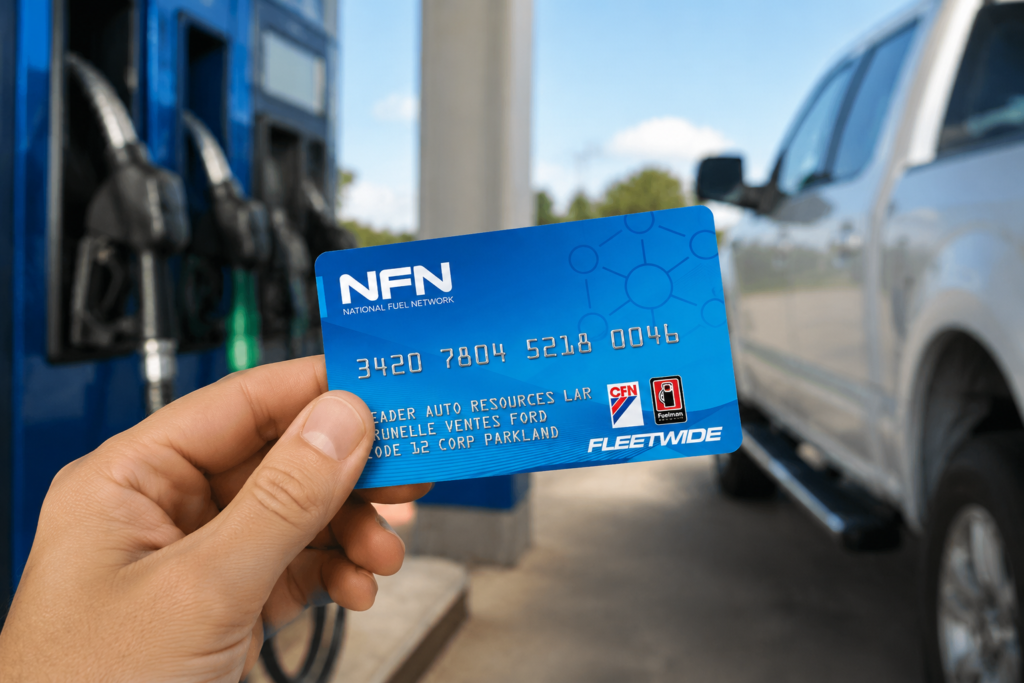
Managing fuel expenses is one of the biggest challenges for businesses that operate vehicles, especially as fuel prices continue to fluctuate. Companies with delivery vehicles, service fleets, and commercial transportation operations need better ways to monitor spending, improve efficiency, and reduce unnecessary costs. A modern fuel card network gives businesses tools to simplify fuel management and create more opportunities to save.
Fuel cards are more than payment methods. They help companies gain better visibility into fuel purchases, control driver spending, and access a broader network of fueling locations. By choosing the right solution, businesses can improve financial planning and make smarter decisions about fleet operations.
Why Businesses Need Better Fuel Cost Management
Fuel expenses can quickly impact business profitability. Without proper tracking, companies may struggle with unauthorized purchases, inconsistent reporting, and difficulty identifying areas where money is being wasted.
A structured fuel management approach allows businesses to:
- Track fuel purchases across multiple vehicles
- Monitor driver spending habits
- Reduce administrative work
- Improve expense reporting accuracy
- Identify opportunities for cost savings
For companies managing large fleets, these benefits become even more valuable. A fuel card network can provide wider coverage, making it easier for drivers to access approved fueling locations across different regions while maintaining centralized expense control.
How a Fuel Card Network Helps Reduce Operating Costs
A well-designed fuel solution can help businesses lower expenses through several key features. Instead of relying on traditional payment methods, companies can use fuel cards that provide better control and visibility.
Access to Competitive Fuel Pricing
Many fuel card programs provide access to negotiated pricing opportunities or savings programs. Even small per-gallon reductions can create meaningful savings for companies that purchase large amounts of fuel each month.
For example, a transportation company operating dozens of vehicles may spend thousands of dollars on fuel regularly. A solution that improves purchasing efficiency can contribute to significant annual savings.
Improved Spending Controls
Managing fuel expenses becomes easier when businesses can set purchase restrictions based on their operational needs. Companies may control spending by vehicle, driver, fuel type, or transaction limits.
These controls help prevent:
- Unauthorized fuel purchases
- Incorrect fuel usage
- Personal transactions
- Unnecessary expenses
A nationwide fuel card solution allows companies with drivers working across multiple states to maintain consistent policies while supporting daily operations.

Simplifying Fleet Expense Tracking
Accurate reporting is essential for businesses that want to understand their fuel spending patterns. Manual tracking methods often create delays and increase the chance of errors.
A digital fuel management system helps companies access important information, including:
- Transaction history
- Purchase locations
- Fuel volume details
- Driver activity records
- Spending summaries
With better data visibility, fleet managers can evaluate performance and make informed decisions about routes, vehicle usage, and operating costs.
Supporting Businesses With Multiple Vehicles
Companies with growing fleets often struggle to manage fuel expenses across different vehicles and locations. A reliable payment solution helps create a more organized process.
A fuel card network supports businesses by connecting drivers with approved fueling locations while giving managers centralized oversight. This approach reduces complexity and helps companies manage fuel operations more effectively.
Industries that can benefit include:
- Transportation companies
- Delivery businesses
- Construction companies
- Service providers
- Logistics operations
- Commercial contractors
Whether a business manages a small group of vehicles or a large commercial fleet, the right fuel strategy can improve financial control.
Choosing the Right Fuel Card Solution for Your Business
Not every fuel program offers the same features. Businesses should evaluate several factors before selecting a solution that matches their operational requirements.
Important considerations include:
Network Coverage
Choose a solution that gives drivers convenient access. A broad fueling network helps reduce unnecessary route changes and improves driver efficiency.
Reporting Features
Strong reporting tools allow businesses to understand spending trends and identify areas for improvement. Detailed transaction information supports better budgeting and planning.
Security Controls
Businesses should look for solutions that offer account protection features, purchase monitoring, and customizable spending limits.
Customer Support
Accessible support helps businesses resolve account questions, manage changes, and keep fuel operations running smoothly. National Fuel Network provides businesses with fuel management options designed to improve control, simplify expenses, and support fleet operations across the country.
Practical Ways Businesses Can Maximize Fuel Savings
Using a fuel card solution is only one part of reducing fuel expenses. Businesses can also improve savings by following smart fuel management practices.
- Monitor Fuel Usage Regularly: Reviewing fuel reports helps identify unusual spending patterns and areas for improvement.
- Encourage Efficient Driving Habits: Speeding, excessive idling, and poor route planning can increase fuel consumption. Driver education programs can support better fuel efficiency.
- Maintain Vehicles Properly: Regular maintenance helps vehicles operate efficiently and can reduce unnecessary fuel consumption over time.
- Analyze Fleet Data: Businesses can use fuel purchase data to identify trends and improve daily operations.
A combination of technology, reporting, and operational improvements creates a stronger approach to managing fuel costs.

How Advanced Fuel Management Supports Business Growth
As businesses expand, fuel management becomes more complex. Companies need solutions that can grow with their operations and provide consistent visibility. An advanced national fuel card network helps businesses manage fuel expenses across locations while maintaining spending control. This is especially useful for companies with regional or nationwide operations.
By improving reporting, reducing administrative tasks, and supporting better purchasing decisions, fuel card solutions allow businesses to focus more on growth and less on manual expense management.
Frequently Asked Questions
What are the main benefits of using a fuel card for business vehicles?
Fuel cards help businesses track purchases, control spending, simplify reporting, and improve fuel expense management.
Can fuel cards help companies with large fleets?
Yes, fuel cards support businesses with multiple vehicles by providing centralized monitoring and better expense control.
Are fuel card transactions easier to manage than traditional payments?
Yes, fuel card platforms provide organized transaction records that make reviewing and managing fuel expenses easier.
How can businesses improve fuel cost visibility?
Businesses can improve visibility by using reporting tools that track purchases, vehicle activity, and spending patterns.
What should companies consider when selecting a fuel management solution?
Companies should evaluate coverage, reporting features, security options, and support services before choosing a solution.
Looking for a better way to handle fleet fuel costs? Apply for a fuel card and benefit from enhanced control, streamlined reporting, and solutions designed to support business growth.
Conclusion
Reducing fuel expenses requires more than finding lower prices. Businesses need better visibility, stronger controls, and efficient tools that support daily fleet operations. An advanced fuel card network helps companies manage purchases, improve reporting, and create a more organized approach to fuel spending.
With the right strategy, businesses can reduce unnecessary expenses, improve operational efficiency, and build a stronger foundation for long-term fleet management. National Fuel Network helps companies access solutions designed to simplify fuel management and support smarter business decisions.


About The Author