

A Homeowner’s Guide to Planning a Safe and Successful Roof Replacement
Planning a roof replacement requires more than choosing new shingles. Canadian homeowners need to consider weather, decking, ventilation, underlayment, permits, insurance, contractor qualifications, site safety, and project timing. This guide explains the key steps to prepare your home and make informed decisions before, during, and after a residential roof replacement.
Replacing a roof is a major home improvement project, especially in Canada, where roofs must withstand snow, freezing temperatures, strong winds, heavy rain, ice buildup, and, in some regions, hail. Careful planning can help homeowners identify underlying problems, choose suitable materials, set a realistic budget, and reduce unnecessary disruption. The right approach to roof replacement starts with understanding the condition of the complete roofing system and knowing what should be included in the project scope.
1. Determine Whether Replacement Is Actually Necessary
The first step is obtaining a professional assessment of the existing roof. Age alone does not always determine whether roof replacement services are required. A roof may have remaining serviceable life, while another roof that appears acceptable from the ground may have concealed deterioration beneath the shingles.
Moisture that reaches the decking can create problems beyond the roof surface. Therefore, an inspection should consider the condition of the underlying structure and attic environment. A professional assessment can also help distinguish between a targeted repair and a complete replacement.
2. Consider Canada’s Climate Before Choosing Materials
Canadian roofing requirements vary considerably by region. A homeowner in Calgary or Edmonton may be particularly concerned about hail, freeze-thaw cycles and strong winds. Winnipeg homeowners may prioritize performance during prolonged winter conditions and temperature extremes. Coastal regions may face heavy rainfall and wind, while Ontario and other areas can experience combinations of snow, ice, rain and summer storms.
Material selection should therefore consider:
- Local weather exposure
- Wind resistance
- Impact resistance
- Expected service life
- Compatibility with the existing structure
- Local building requirements
The most expensive material is not automatically the best choice. The goal is to select a roofing system that fits the property’s climate, design, and long-term needs.
3. Build a Complete Project Scope
One of the most important planning steps is understanding exactly what the quotation includes. A homeowner should not compare roofing estimates solely by the final dollar amount. Two contractors can provide very different prices because their scopes of work include different materials or installation procedures.
A detailed proposal should explain items such as:
Roof Removal
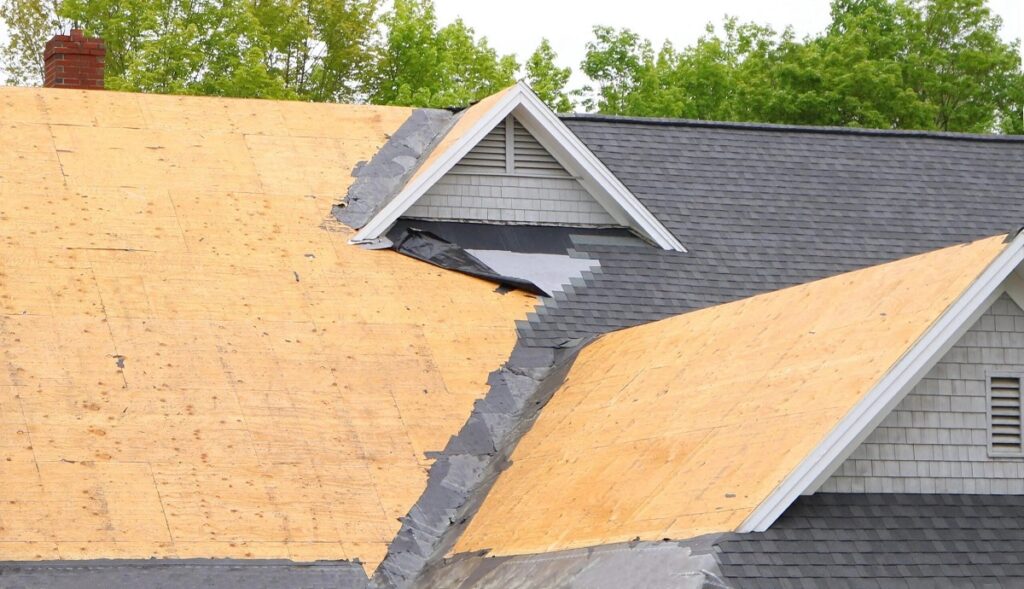
Ask whether existing roofing materials will be completely removed or whether a new layer will be installed over the existing roof where permitted. A complete tear-off can expose deteriorated decking and other conditions that may not be visible beforehand.
Deck Inspection
Assess roof decking after removing the old roofing material. Soft, damaged, or deteriorated areas may require replacement before installing the new system.
Underlayment and Ice Protection
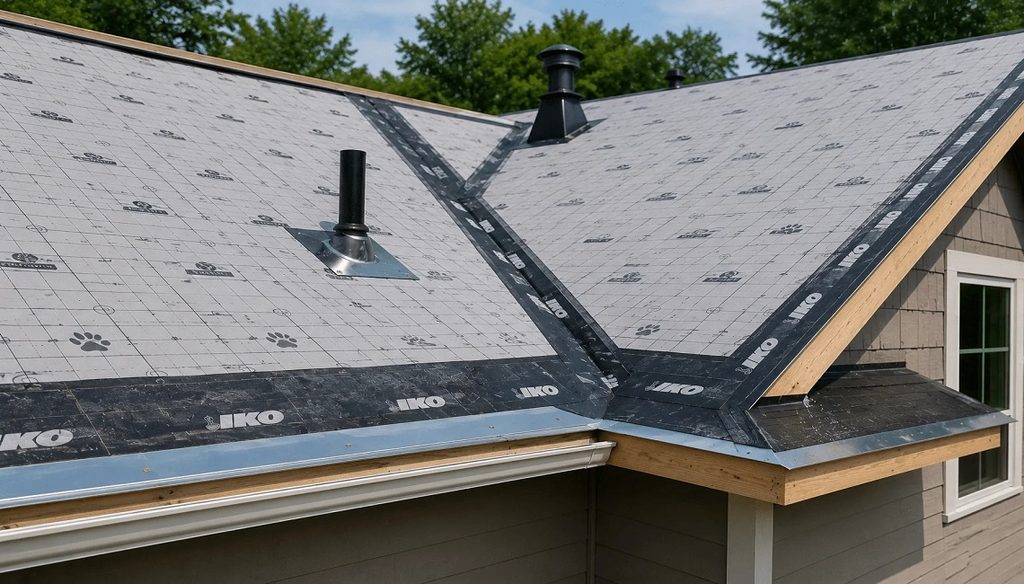
Underlayment provides an additional protective layer beneath the primary roofing material. Ice-and-water protection can be particularly important at vulnerable areas such as eaves and valleys in cold Canadian climates.
Flashing and Drip Edge
Flashing helps direct water away from vulnerable transitions, penetrations, walls and chimneys. Drip edge components help manage water at roof edges.
Ventilation
A replacement project should also consider whether attic ventilation is appropriately balanced. Poor airflow can contribute to moisture accumulation, condensation and ice-dam-related problems.
These components are part of the overall roofing system rather than optional details to overlook when comparing quotes. The referenced replacement process similarly emphasizes deck inspection, underlayment, ice-and-water protection, flashing and ventilation assessment.
4. Choose a Qualified Roof Replacement Contractor
Homeowners should verify relevant credentials, insurance coverage, experience, references and manufacturer requirements before signing an agreement. Selecting a roof replacement contractor is one of the most consequential decisions in the project.
Canadian homeowners should also check applicable provincial or municipal requirements rather than assuming that the same rules apply everywhere. A clear written agreement protects both sides by defining the expected materials, scope, costs, responsibilities and warranty terms.
5. Plan Around Weather Conditions
Weather can significantly affect roofing work. Although professional crews routinely work within changing Canadian conditions, homeowners should discuss scheduling with the contractor and understand how rain, snow, high winds or extreme temperatures could affect the installation.
Spring, summer, and early autumn can provide favourable conditions in many Canadian locations, but no season is universally perfect. Consider regional weather patterns and contractor availability.
6. Prepare the Property Before Work Begins
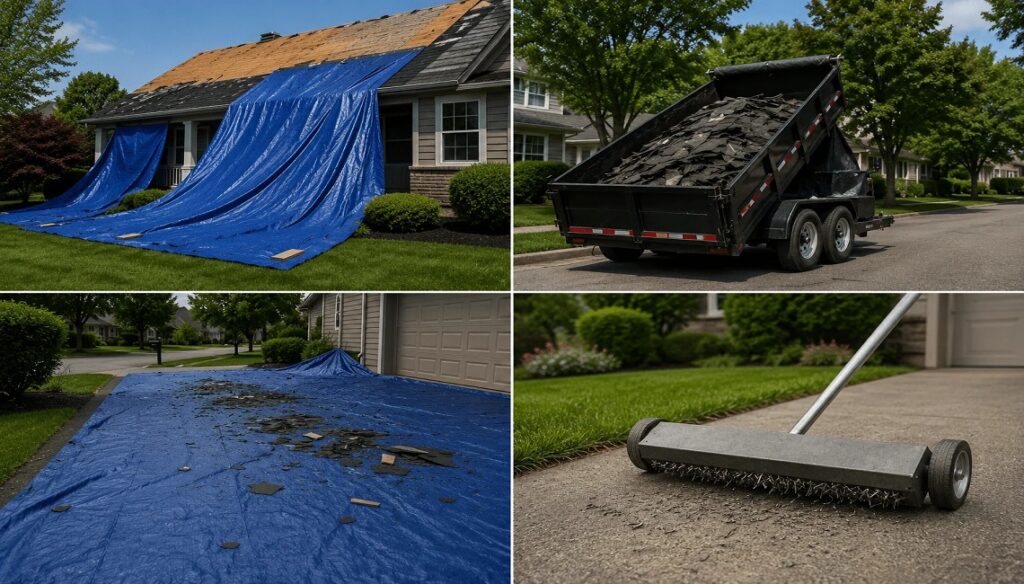
Roof replacement can involve noise, vibration, falling debris and movement around the property. A professional contractor should also have a plan to protect landscaping and control debris. The referenced roofing process, for example, describes using site protection, debris containment, and a final magnetic sweep to collect stray nails and metal fragments.
7. Think Beyond Shingles
A new roof should work as a complete system. Replacing shingles without addressing an underlying ventilation or moisture-management problem may leave the homeowner facing similar issues later.
Important components can include:
- Roof covering: Provides the primary weather-resistant surface.
- Underlayment: Adds another protective layer beneath the roof covering.
- Ice-and-water protection: Helps defend vulnerable areas against water intrusion associated with ice and snow.
- Flashing: Directs water away from roof transitions and penetrations.
- Ventilation: Helps manage attic temperature and moisture.
Thinking about these components together makes it easier to understand what complete roof replacement services should involve.
8. Understand the Financial Side Before Signing
Roof replacement costs can vary substantially across Canada. Project size, roof pitch, accessibility, material selection, decking condition, ventilation requirements, flashing details, labour and regional market conditions can all affect the final price. Instead of choosing the lowest quote automatically, compare estimates line by line.
Look for clarity regarding:
- Materials and quantities
- Removal and disposal
- Decking allowances
- Underlayment
- Ice-and-water protection
- Flashing
Homeowners should also review their home insurance policy if the replacement follows hail, wind or another covered event. Insurance coverage depends on the individual policy and circumstances, so documentation and communication with the insurer are important.
9. Know What Happens During Installation
Understanding the typical sequence can make the project easier to manage. For Canadian homeowners planning a roofing project, Advanced Level Roofing provides roof replacement services across Western Canadian communities, with its replacement process focused on the complete roofing system rather than only the visible surface.
The exact process will depend on the property’s construction, roofing system and local requirements. Homeowners should receive clear communication if unexpected conditions are discovered after the roof covering has been removed.
10. Complete a Final Inspection
Before considering the project finished, review the completed work with the contractor. A formal final inspection and written documentation can provide useful records for future maintenance, insurance discussions or a future property sale. The referenced service process includes a final quality inspection and written final inspection report as part of project closeout.
Frequently Asked Questions
How do I know when my roof needs replacement?
Signs can include recurring leaks, widespread shingle deterioration, sagging, extensive storm damage, deteriorated decking and an aging roofing system approaching the end of its expected service life.
How long does a roof replacement take?
The timeline depends on roof size, complexity, weather, material selection and whether structural repairs are necessary. Some straightforward projects can be completed quickly, while larger or more complex homes may require additional days.
What should I ask a roof replacement contractor?
Ask about insurance, experience, materials, installation methods, warranties, project supervision, decking repairs, ventilation, cleanup and the complete written scope. It is also useful to ask how weather delays and unexpected conditions will be handled.
Is winter a bad time for residential roof replacement in Canada?
Not necessarily, but cold temperatures, snow, ice and shorter daylight hours can create additional considerations. Material manufacturers may have specific installation requirements, so the contractor should confirm that products can be installed correctly under the expected conditions.
What is the difference between roof repair and roof replacement?
A repair addresses a localized problem, such as isolated damage or a specific leak. Replacement involves removing and installing a substantial portion or the entire roofing system. The appropriate option depends on the roof’s overall condition, age, damage and remaining service life.
Conclusion
Planning a successful roof replacement requires homeowners to look beyond the visible shingles. The condition of the decking, underlayment, flashing, ventilation and other components can influence how well the finished system performs through Canada’s changing seasons. A thoughtful process starts with an inspection, continues with a detailed written scope and appropriate material selection, and finishes with careful installation, cleanup and documentation. Taking time to compare contractors and understand the proposed work can also help homeowners make a more informed long-term investment.
Ready to discuss your roofing project? Visit the location on Google Maps to connect with the roofing team and take the next step.


About The Author