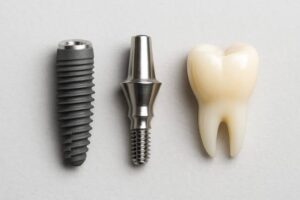

Can You Get a Dental Implant Years After Losing a Tooth?
Can you get a dental implant years after losing a tooth? Yes, it may still be possible. Learn how bone health, gum condition, shifting teeth, and overall health affect eligibility, when bone grafting may be needed, and what to expect during treatment.
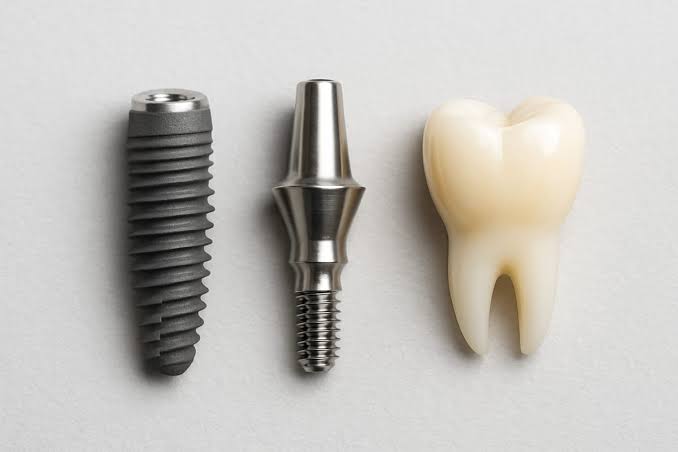
Losing a tooth does not always lead to immediate replacement. You may have postponed treatment because of cost, anxiety, other health concerns, or a gap that did not seem troublesome. Years later, changes in chewing or appearance may make you reconsider.
Yes, getting a dental implant years after losing a tooth may still be possible. The time that has passed does not automatically rule out treatment. Your current bone support, gum health, available space, and overall health matter more than the extraction date alone. Some people need preparatory treatment before an implant can be placed.
What Changes When a Tooth Has Been Missing for Years?
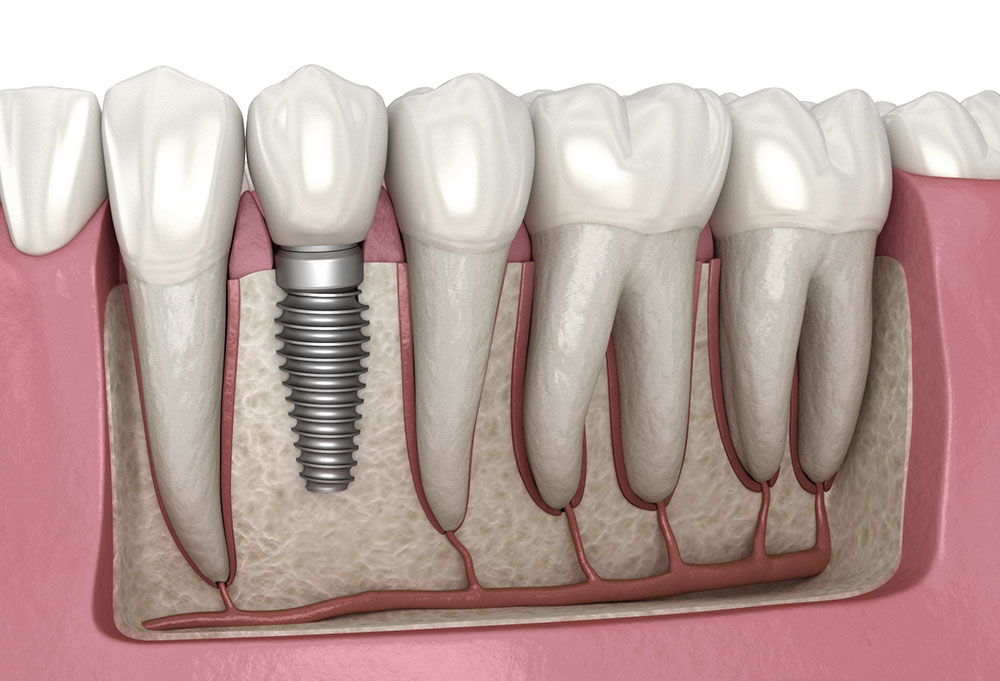
A missing tooth can affect more than your smile. Depending on its position, the gap may change how you chew or allow neighboring teeth to shift. Bone loss can also occur around the missing tooth.
These changes vary between people. A gap that still looks wide enough does not necessarily have adequate bone underneath it. Similarly, a gap that has narrowed may require additional planning before replacement. The American Dental Association identifies shifting teeth and possible bone loss among the consequences of missing teeth.
An examination with a dentist in Agoura Hills can help establish what has changed and which replacement options remain suitable.
Is There a Time Limit for Getting an Implant?
There is no universal deadline after which a missing tooth cannot be replaced with an implant. However, waiting can change the treatment needed.
Someone whose tooth has been missing for many years may still have sufficient bone. Another person may need bone augmentation after a shorter period. The reason for tooth loss and the condition of surrounding tissues also influence planning.
If you are considering dental implants in Agoura Hills, the useful question is: “What would make treatment suitable for my mouth today?”
Agoura Advanced Dentistry offers implant options for single and multiple missing teeth. An individual assessment is needed to determine which approach fits your situation.
How Does the Dentist Assess an Old Tooth Gap?
The consultation looks beyond the empty space. Your dentist assesses the surrounding teeth, gums, bite, and supporting bone.
X-rays and, when indicated, a cone-beam CT scan help evaluate bone dimensions and the position of nearby nerves or sinuses. This information supports safe placement and planning for the replacement tooth.
Bring information about:
- When and why the tooth was removed.
- Previous gum disease or infections.
- Existing bridges, dentures, or other dental work.
- Medical conditions and current medications.
- Smoking and any history of healing difficulties.
An implant dentist in Agoura Hills should explain how these findings affect your options. Ask to see the images and understand any concerns before deciding on treatment.
Will You Need a Bone Graft?
Not everyone with a longstanding gap needs bone grafting. The decision depends on whether the proposed implant has sufficient support in the correct position.
A bone graft helps increase bone where it is inadequate. In selected cases, grafting and implant placement can happen together. More extensive deficiencies may require a separate procedure and healing period first.
Grafting is an additional treatment with its own risks and recovery needs. It does not guarantee that an implant will become possible; occasionally, further grafting or another replacement option is necessary.
Useful questions include: How much bone is missing? Can the graft and implant be placed together? What happens if healing does not provide enough support?
What If Nearby Teeth Have Shifted?
When teeth move toward an empty space, replacing the missing tooth may become more complicated. The dentist must consider the room available for both the implant and the crown.
An implant needs a suitable position within the bone, while the replacement tooth needs to fit comfortably between neighboring teeth and work with your bite. These are related but separate requirements.
Depending on the findings, treatment may involve correcting tooth positions or adjusting the restorative plan. An implant assessment should therefore address both surgical placement and the final tooth’s shape, position, and function.
Can Health Conditions Affect Eligibility?
Your overall health influences healing and the potential success of implant treatment. Tell your dentist about medical conditions, medications, and previous problems following surgery.
Smoking can interfere with healing and reduce long-term implant success. Rather than assuming eligibility from age or the appearance of your gums, ask how your individual health history affects the plan. The FDA emphasizes overall health and smoking when discussing implant candidacy and recovery.
You may need dental or medical preparation before treatment. Make sure you understand why it is recommended and how it changes the proposed timeline.
How Long Could Treatment Take?
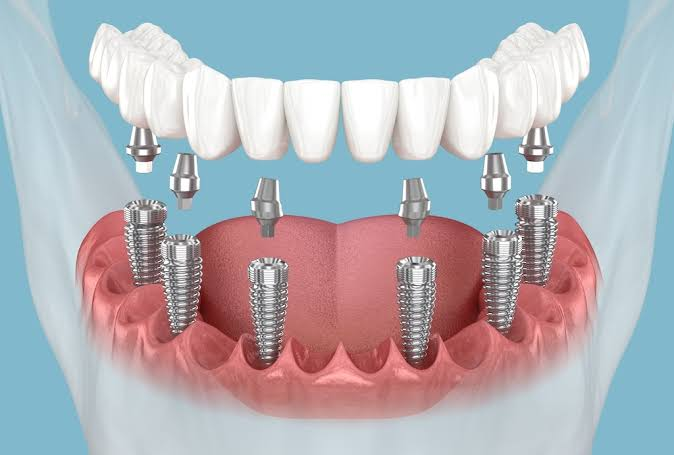
Replacing a tooth lost years ago often involves several stages. The sequence depends on whether the site needs preparation and how it heals.
Treatment may include:
- Examination, imaging, and discussion of alternatives.
- Treatment of existing dental problems.
- Bone grafting, if needed.
- Implant placement and healing.
- Fitting the final replacement tooth.
During healing, the bone integrates with the implant in a process called osseointegration. The timing of the final crown depends on the treatment approach and clinical assessment. Ask whether a temporary replacement is appropriate while you wait.
Does “Same-Day” Mean Treatment Is Finished?
Same-day treatment does not eliminate the biological healing process. In suitable cases, an implant may support a temporary tooth before the final restoration is fitted.
For an old extraction site, available bone and implant stability help determine what can happen on the placement day. Preparatory procedures may also be necessary.
Ask whether a proposed same-day tooth is temporary or final, what eating restrictions apply, and when the definitive restoration is expected. AAID guidance distinguishes temporary replacement options from the healing needed around an implant.
What Should You Ask About Costs and Alternatives?
When comparing dental implants near you, request an estimate that explains each treatment stage. Ask whether imaging, grafting, implant placement, the connecting component, the crown, and follow-up appointments are included.
Also discuss alternatives. A bridge or removable replacement may be appropriate depending on the remaining teeth, your preferences, and clinical findings. The goal is to choose a suitable way to restore the gap with a clear understanding of treatment and maintenance.
Implants require ongoing care. Follow cleaning instructions, attend dental reviews, and report looseness, discomfort, or other unexpected changes promptly.
Take the Next Step Toward Replacing the Missing Tooth
Years without a tooth do not automatically mean you have missed your opportunity for an implant. An assessment can establish whether treatment is possible, whether preparation is needed, and how other options compare.

Have you been living with a missing tooth for years? Book a consultation with Agoura Advanced Dentistry to discuss your bone health, replacement options, and a treatment plan suited to your needs.
Frequently Asked Questions
Can I get an implant if my tooth has been missing for ten years?
Possibly. The length of time alone does not determine eligibility. Your dentist needs to assess current bone support, oral health, and medical history.
Does an old extraction site always need a bone graft?
No. Grafting is considered when bone is insufficient for the planned implant. Examination and imaging help determine whether it is needed.
Can an implant be placed if neighboring teeth have moved?
It may be possible, but the available space and tooth positions need assessment. Additional treatment may be necessary before placement.
Can I have a temporary tooth during treatment?
Often there are temporary replacement options, but suitability depends on the site and treatment plan. Ask whether the temporary tooth is removable or fixed.
Are dental implants guaranteed to last forever?
No. Implant outcomes depend on healing, health, maintenance, and other factors. The replacement crown may also need repair or replacement over time.


About The Author