

Enhancing Your Guitar Sound with the Right Electric Guitar Soundboard
Selecting the right electric guitar soundboard wood is crucial for achieving the desired tone and resonance. Woods like maple, spruce, and rosewood each offer unique tonal qualities to enhance your playing experience.
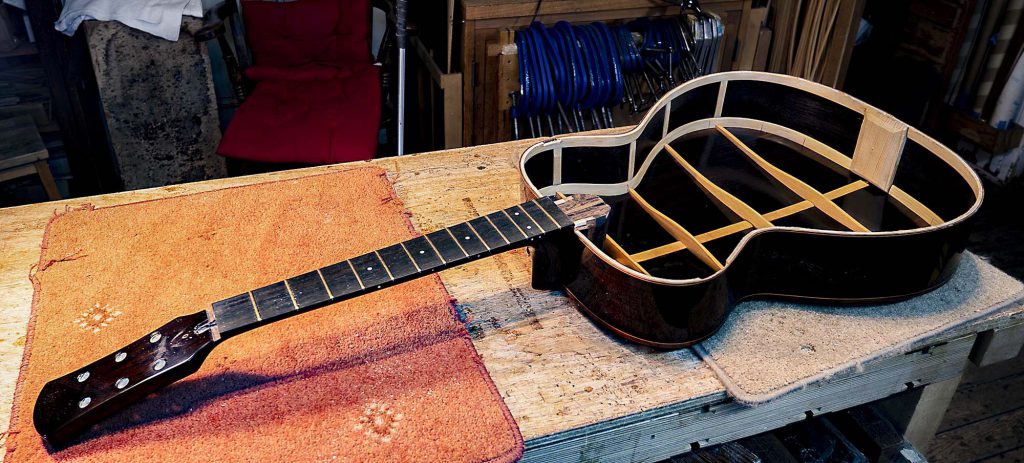
When crafting or upgrading an electric guitar, selecting the right guitar soundboard is crucial to achieving the desired tone and performance. The electric guitar soundboard serves as the heart of the instrument’s sound production, influencing its tonal qualities and resonance. Whether you’re building a guitar from scratch or looking to enhance your existing instrument, understanding the various types of guitar soundboard wood and how they affect your sound is essential. With a wide variety of guitar soundboards for sale, it can be overwhelming to decide which one will best suit your needs.
Table of Contents
In this article, we will explore how different types of soundboard materials, including traditional tonewood soundboard options, affect the sound and playability of electric guitars. We will also discuss factors to consider when selecting a soundboard, ensuring that you make the right decision for your musical style and preferences.
The Importance of Choosing the Right Guitar Soundboard
The guitar soundboard plays a significant role in shaping the overall tone of the instrument. For acoustic guitars, the soundboard is vital to projecting sound, but even in electric guitars, where pickups amplify the sound, the choice of guitar soundboard wood has a notable impact on tonal quality and response. The material used for the soundboard determines the brightness, warmth, sustain, and overall character of the sound produced.
In electric guitars, the soundboard doesn’t function in isolation but works together with other components like pickups, the body, and the neck. Nonetheless, the choice of wood is a fundamental consideration that will influence the guitar’s overall sound profile. A well-selected soundboard can enhance the guitar’s natural resonance, improve sustain, and create a more balanced and articulate tone. To achieve the perfect tonal profile, musicians rely on the best guitar soundboards, which provide clarity, warmth, and sustain.
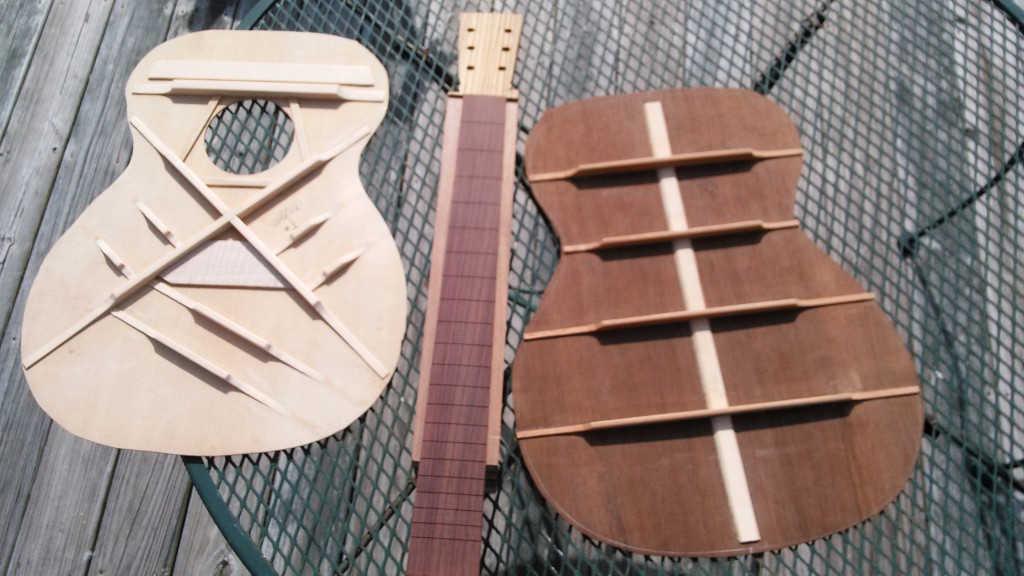
Different Types of Guitar Soundboard Wood
There are several types of guitar soundboard wood available, each offering distinct characteristics. While many electric guitars rely on solid bodies without a traditional soundboard, some designs incorporate a wood panel or resonating top that influences sound.
Below are some popular types of wood used for soundboards:
Maple Soundboards
Maple is a popular choice for guitar soundboards, especially in electric guitars. Known for its bright and clear tone, maple provides excellent sustain and a sharp, articulate sound. It is often favored by players who prefer a punchy and defined sound with great projection. Whether you’re after a bright lead tone or a clear rhythm sound, maple guitar soundboards can offer the clarity and definition you’re seeking.
Spruce Soundboards
Spruce is another classic choice, particularly in traditional guitar soundboards for sale. It’s a lightweight and resonant wood that provides a bright, full-bodied tone. Musicians know spruce for its responsiveness and dynamic range, making it ideal for those who want a versatile guitar that can handle a variety of musical genres. Its clarity makes it a favorite for players who require precision in their sound.
Rosewood Soundboards
For a more mellow, warm tone, rosewood guitar soundboards are a popular option. Musicians have long valued rosewood for its deep, resonant tones, making it perfect for those who want to enhance their guitar’s low-end frequencies. It provides a rich and complex tonal range that works well for both strumming and fingerpicking styles.
Cedar Soundboards
Cedar is another wood often used in electric guitar soundboards, particularly for players looking for a warmer, more mellow tone. Cedar soundboards typically have a smooth, rich tonal quality with a slightly softer attack compared to spruce. It’s perfect for players who want a relaxed, nuanced sound with plenty of warmth and depth.
How Guitar Soundboards Affect Tone
The tonal impact of a guitar soundboard can be influenced by several factors, including the type of wood, thickness, and the way it is constructed. When choosing a soundboard for your guitar, you must also consider how the wood interacts with the pickups and other hardware.
- Resonance: Different woods have different resonance qualities. Harder woods, like maple, tend to have more sustain and brightness, while softer woods, such as cedar, may produce a warmer, smoother tone. The resonance of the electric guitar soundboard will affect the overall sound of your instrument, especially when you play on higher gain settings or use distortion.
- Balance: Some woods offer a more balanced tone across the frequency spectrum, while others emphasize certain ranges. For example, rosewood guitar soundboards provide a more pronounced low-end, whereas maple guitar soundboards accentuate the treble frequencies. It’s essential to pick a soundboard that complements your playing style and the genre of music you play.
- Response: The responsiveness of the soundboard to your playing style is vital, especially when considering how the guitar reacts to light or heavy playing. A traditional tonewood soundboard like spruce is known for its quick response and sensitivity, allowing for a broad dynamic range.
Acoustic vs. Electric Soundboards: Key Differences
While guitar soundboards are critical to acoustic guitars, the role of soundboards in electric guitars is slightly different. In electric guitars, the pickups do most of the work in amplifying the sound, which makes the role of the soundboard less significant. However, even in electric guitars, the guitar soundboard wood affects tonal clarity and sustain.
Electric guitars with hollow or semi-hollow bodies often have more pronounced resonance from the soundboard. For example, an electric guitar with a maple soundboard may produce a brighter sound with a lot of sustain, while one with a cedar soundboard may offer a more muted, warmer tone. The choice of wood will therefore influence both the amplified sound and the instrument’s natural resonance. This makes thermally modified soundboards an excellent choice for electric and acoustic guitar builders looking to create instruments with a more refined tone that withstands environmental influences.
Where to Buy Guitar Soundboards
If you’re ready to upgrade your guitar or are in the process of building one, finding guitar soundboards for sale is the next step. Many online stores and specialized suppliers offer a wide range of soundboard options, including traditional and modern woods. It’s essential to consider both the tonal characteristics and the aesthetic appeal of the wood when making your purchase.
When selecting a guitar soundboard wood, pay attention to its grain patterns and color, as these can affect the overall appearance of your instrument. Many luthiers and guitar builders prefer using high-quality tonewoods that have been carefully selected for their tonal qualities and appearance.
FAQs
What makes a good guitar soundboard?
A good guitar soundboard is made of high-quality wood that provides excellent resonance, sustain, and tonal balance. The best soundboards complement the guitar’s design and enhance the natural resonance of the instrument.
How does the choice of wood affect electric guitar soundboards?
The type of guitar soundboard wood used will significantly affect the tonal quality of your electric guitar. Different woods emphasize various frequencies, with hardwoods offering bright tones and softwoods providing warmer sounds.
Can an electric guitar soundboard influence tone even with pickups?
Yes, even though pickups amplify the sound, the electric guitar soundboard still influences tonal quality and sustain. The wood’s resonance interacts with the amplified signal to shape the overall sound.
Are traditional tonewood soundboards better for electric guitars?
Not necessarily. While traditional tonewoods like spruce and rosewood are commonly used for acoustic guitars, modern electric guitar soundboard woods such as maple and mahogany can offer distinct tonal qualities that suit electric guitar playing styles.
Where can I find guitar soundboards for sale?
Guitar soundboards for sale can be found through online retailers, specialized guitar parts suppliers, and custom luthiers. Be sure to select a reputable supplier to ensure high-quality tonewood for your guitar.
Conclusion
Selecting the right guitar soundboard is crucial for improving your instrument’s tone and resonance. Whether upgrading your electric guitar or building a custom one, understanding how different soundboard woods affect sound will help you make an informed decision. From maple to rosewood, each wood type offers unique tonal qualities that can enhance your playing experience.
When you’re ready to purchase, consider the tonal characteristics and appearance of the wood. This ensures it complements your style. With a wide range of guitar soundboards available, you’re sure to find the perfect one.


About The Author